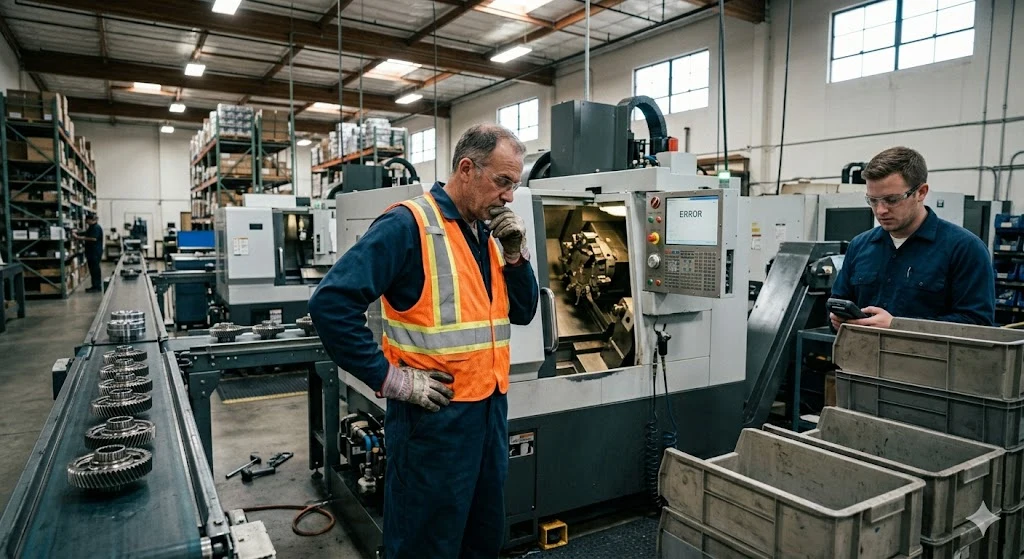
How manufacturing parts distributors Can Reduce Downtime with Faster Ordering and Better Parts Search
When Production Stops, Nobody Wants to Wait for a Callback
For manufacturing and engineering businesses, equipment downtime is one of the most expensive operational challenges.
When a critical machine fails, every minute counts.
Production schedules are disrupted, customer deadlines are put at risk, and operational costs begin to rise immediately.
In these situations, buyers are not browsing product catalogues.
They are searching for the correct replacement part as quickly as possible.
However, many manufacturing parts distributors still rely on manual ordering processes, difficult-to-search catalogues, email enquiries, and slow procurement workflows.
The result is delayed ordering, frustrated customers, and longer production downtime.
As manufacturing operations become increasingly dependent on speed and efficiency, distributors that make spare manufacturing parts easy to find and order gain a significant competitive advantage.
Businesses that provide fast ordering, powerful product search, customer history, and real-time stock visibility are far better positioned to win urgent procurement opportunities.
Synopsis
When a machine stops, every hour spent finding a part costs production. This guide covers what downtime really costs, why poor product search slows procurement, and how stock visibility and customer history speed up urgent orders.
Table of Contents
- 1.Key Takeaways
- 2.Why Downtime Is a Major Challenge for Manufacturers
- 3.The Real Cost of Production Downtime
- 4.Why Engineering Buyers Need Fast Parts Ordering
- 5.The Hidden Cost of Poor Product Search
- 6.Why Traditional Procurement Processes Fall Short
- 7.How Better Product Search Improves Procurement Efficiency
- 8.Using Customer History to Speed Up Repeat Ordering
- 9.Why Stock Visibility Reduces Downtime Risks
- 10.How Digital Ordering Improves Manufacturing Procurement
- 11.Why Fast Procurement Creates a Competitive Advantage
- 12.How JustSell Helps Parts Distributors Support Urgent Orders
- 13.FAQ
- 14.Conclusion
- 15.See How JustSell Can Help Your Manufacturing Distribution Business
Key Takeaways
- Manufacturing downtime creates significant operational costs.
- Buyers need fast access to the correct replacement parts.
- Poor product search slows procurement and increases downtime.
- Customer history simplifies repeat purchasing.
- Real-time stock visibility improves decision-making.
- Digital ordering helps distributors respond faster to urgent demand.
- JustSell provides fast ordering, product search, customer history and stock visibility tools.
Why Downtime Is a Major Challenge for Manufacturers
Manufacturing operations depend on equipment reliability.
When machinery breaks down unexpectedly, businesses often face:
- Production delays
- Lost output
- Missed delivery deadlines
- Overtime costs
- Reduced operational efficiency
- Customer dissatisfaction
In many industries, even short periods of downtime can have significant financial consequences.
This makes rapid access to spare parts and replacement components essential.
For procurement teams, the priority becomes finding the right part quickly and placing an order immediately.
The Real Cost of Production Downtime
Downtime affects far more than production output.
Common Business Impacts
Lost Revenue
Production interruptions reduce manufacturing capacity and output.
Delayed Customer Deliveries
Missed deadlines can damage customer relationships.
Increased Labour Costs
Teams may need to work overtime to recover lost production time.
Procurement Pressure
Buyers are forced to source replacement parts urgently.
Reduced Productivity
Employees may be unable to continue work while equipment remains unavailable.
The longer it takes to identify and order the correct part, the greater these costs become.
Why Engineering Buyers Need Fast Parts Ordering
When equipment fails, procurement teams are under pressure to act quickly.
Buyers often need to:
- Identify replacement components
- Verify compatibility
- Check stock availability
- Confirm pricing
- Place orders immediately
Unlike planned purchasing, downtime-related procurement is highly time-sensitive.
Delays in the ordering process directly impact operational performance.
This is why speed and accessibility have become increasingly important within manufacturing distribution.
Why Traditional Procurement Processes Fall Short
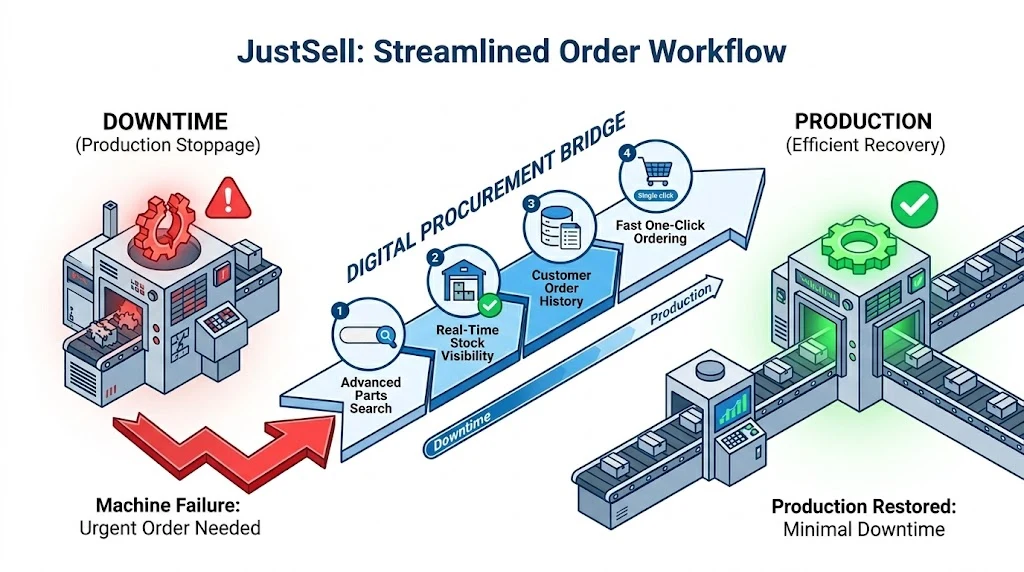
Many manufacturing parts distributors still rely on:
- Phone orders
- Email enquiries
- PDF catalogues
- Manual stock checks
- Spreadsheet-based product information
While these methods can work, they often create delays when urgent orders are required.
The problem:
Buyers must wait for information rather than accessing it instantly.
Traditional vs Modern Manufacturing Parts Procurement
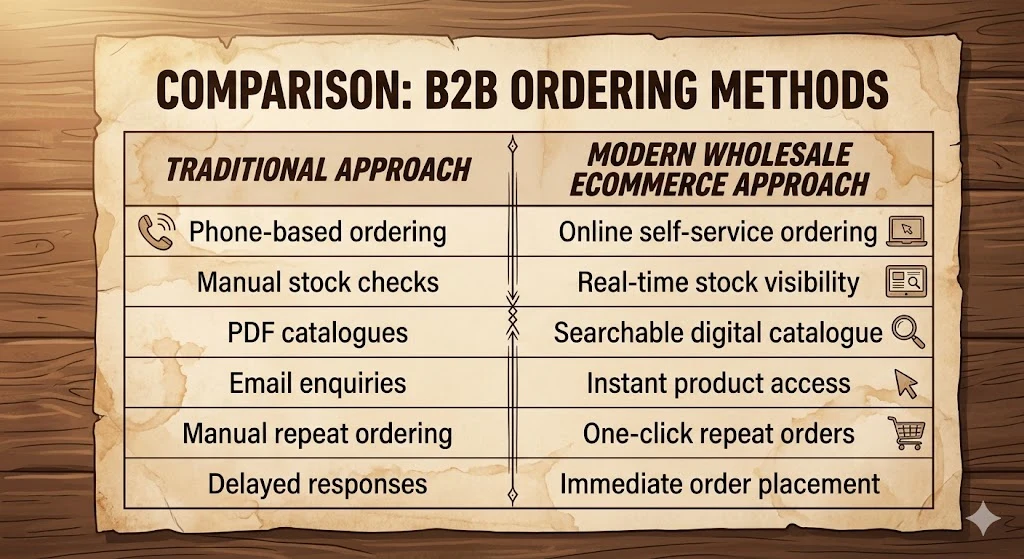
Modern wholesale ecommerce platforms help eliminate these bottlenecks.
How Better Product Search Improves Procurement Efficiency
Product search plays a critical role in engineering procurement.
Buyers often search using:
- Part numbers
- Product names
- Technical specifications
- Compatibility references
- Equipment models
Advanced product search helps customers:
- Find products faster
- Reduce procurement time
- Improve ordering accuracy
- Minimise support requests
- Increase purchasing confidence
The easier it is to locate a part, the faster production issues can be resolved.
Using Customer History to Speed Up Repeat Ordering
Many manufacturers purchase the same components repeatedly.
Customer history provides instant access to:
- Previous purchases
- Repeat orders
- Account-specific pricing
- Frequently ordered products
- Order records
Benefits include:
- Faster reordering
- Reduced administration
- Improved procurement efficiency
- Greater purchasing accuracy
- Better customer experience
Rather than searching from scratch, buyers can quickly reorder parts they have purchased before.
Why Stock Visibility Reduces Downtime Risks
Stock availability is often one of the first questions buyers ask during urgent procurement situations.
Real-time stock visibility allows customers to:
- Check availability immediately
- Plan maintenance activities
- Compare product options
- Avoid ordering delays
- Make informed decisions
Benefits include:
- Faster purchasing decisions
- Reduced downtime
- Improved customer confidence
- Better procurement planning
- Fewer customer service enquiries
Accurate stock information helps buyers act with confidence when every minute matters.
How Digital Ordering Improves Manufacturing Procurement
Digital ordering platforms provide manufacturers with faster access to products and information.
Customers can:
- Search products instantly
- Check stock levels
- View account pricing
- Access order history
- Place orders online
- Reorder previous purchases
Benefits include:
- Faster procurement cycles
- Reduced administration
- Improved customer satisfaction
- Greater operational efficiency
- Increased order frequency
The easier it becomes to order parts, the faster customers can restore production operations.
Why Fast Procurement Creates a Competitive Advantage
Manufacturing buyers increasingly expect suppliers to provide immediate access to products and information.
Distributors that offer:
- Fast product search
- Real-time stock visibility
- Customer-specific pricing
- Repeat ordering
- Self-service procurement
often become preferred suppliers.
By reducing friction in the buying process, distributors can strengthen customer relationships and capture more urgent purchasing opportunities.
How JustSell Helps Parts Distributors Support Urgent Orders
JustSell helps manufacturing and engineering distributors simplify urgent procurement and improve customer experience.
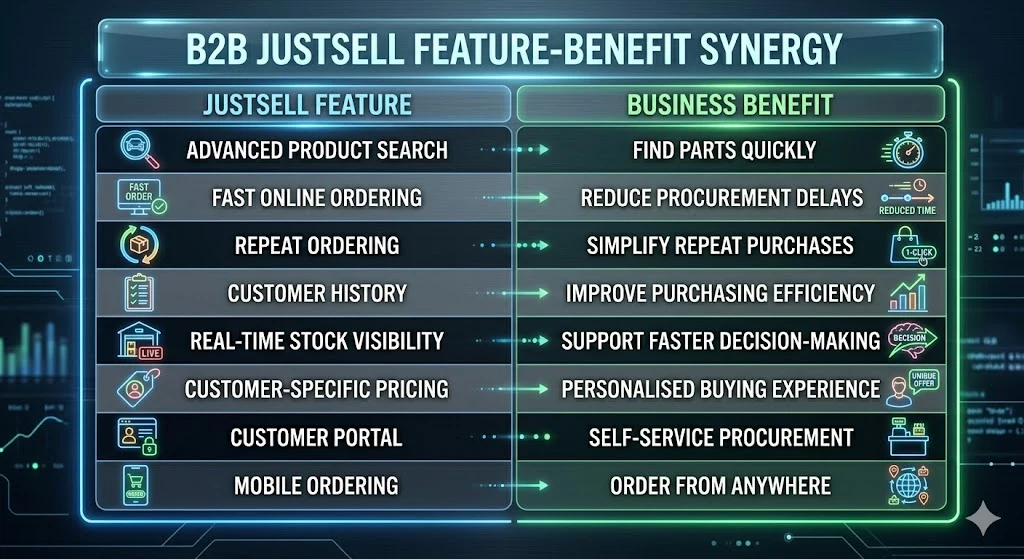
Key Features
By helping customers find and order parts faster, JustSell supports improved procurement efficiency and reduced downtime.
FAQ
Downtime disrupts production, reduces output, increases costs, and can delay customer deliveries.
Distributors can reduce downtime by providing fast parts search, real-time stock visibility, and efficient ordering processes.
Product search helps buyers quickly locate compatible parts, reducing procurement delays and improving operational efficiency.
Customer history provides access to previous purchases, making it easier to reorder frequently used components.
Buyers need immediate confirmation that parts are available before placing orders, especially during downtime situations.
Wholesale ecommerce platforms provide self-service access to products, pricing, stock information, and ordering tools, helping buyers act faster.
Conclusion
When production equipment fails, speed matters.
Manufacturers need immediate access to replacement parts, accurate stock information, and efficient ordering systems that minimise delays.
Distributors that rely on outdated procurement processes often create unnecessary friction that increases downtime and frustrates customers.
By providing advanced product search, customer history, repeat ordering, and real-time stock visibility, distributors can make urgent procurement significantly easier.
As manufacturing becomes increasingly digital, businesses that simplify parts sourcing will gain a major competitive advantage.
JustSell Wholesale Ecommerce helps engineering and manufacturing parts distributors achieve exactly that by making product discovery, ordering, and procurement management faster and more efficient.
See How JustSell Can Help Your Manufacturing Distribution Business
JustSell Wholesale Ecommerce provides:
- Advanced product search
- Fast online ordering
- Repeat ordering
- Customer history
- Real-time stock visibility
- Customer-specific pricing
- Customer portals
- Mobile ordering, our customer ordering app
Book a demo today to see how JustSell can help reduce procurement delays, improve customer experience and support faster manufacturing operations.
https://justsell.app/manufacturing-parts
Check out our customer ordering app: https://justsell.app/customer-ordering-app
Related Articles
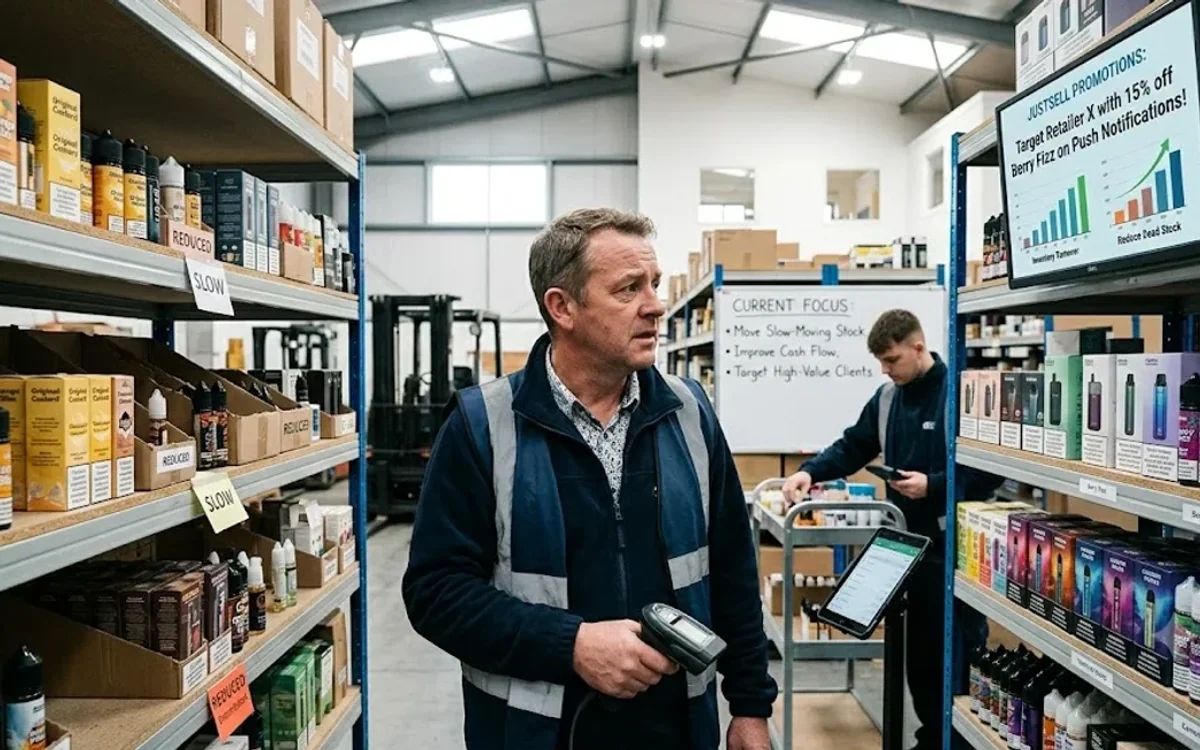
The Vape Wholesaler's Guide to Reducing Dead Stock and Improving Inventory Turnover
A flavour that flew last month can sit still this month, and the cash is on the shelf. This guide covers what excess inventory really costs, why manual stock management falls short, and how targeted promotions and segmentation improve turnover.

How Organic Food Wholesalers Can Reduce Waste, Protect Margins and Improve Stock Rotation
Learn how organic food and wellness wholesalers can reduce expired stock, improve inventory visibility and increase product turnover using modern wholesale ecommerce systems.
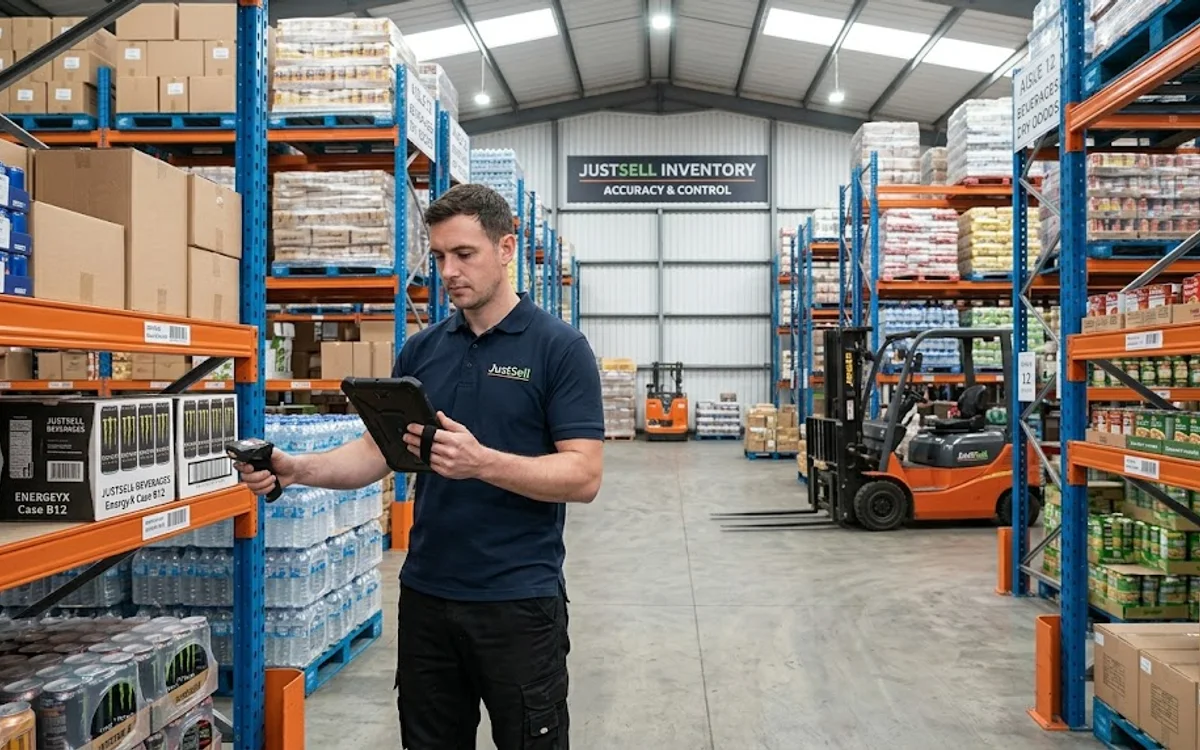
How Food & Drink Wholesalers Can Reduce Stockouts and Protect Customer Loyalty
A stockout costs more than the missed line: it sends a buyer to a competitor. This guide covers why stockouts happen in food and drink wholesale, what they really cost in loyalty, and how real-time stock visibility and better ordering data reduce them.